
Category: Quality Assurance
-

Quality Assurance’ Strength
Quality Assurance (QA)’ strength is about strengths of Risk-based QA implementation approach at a Skills Development Provider (SDP) and Assessment Centre (AC) level. That is QA’ strengths in the implementation of occupational qualifications. Strengths of Risk-based quality assurance implementation approach involves amongst others the following: Take Away … Every AC and SDP from inception has…
-

Quality Assurance in Education and Training
In South Africa Quality Assurance applies throughout education and training fields. As per the NQF Act of 2008 each Quality Council (QC) such as the Quality Council of Trades and Occupations (QCTO), Umalusi Council and Council of Higher Education (CHE) each is mandated to develop qualifications and assessment models within their responsible sub-frameworks. Again, each…
-

Risk-based Quality Assurance
Risk-based Quality Assurance (QA) a vision, perspective and principle that the Quality Council of Trades and Occupations (QCTO) subscribes to. That is a picture the QCTO perceives and even mainstream throughout its mandated OQSF training and learning processes. Even in the everyday tasks of its assigned QPs and Stakeholders. Risk-based QA happens before the event…
-
Purpose of Quality Assurance
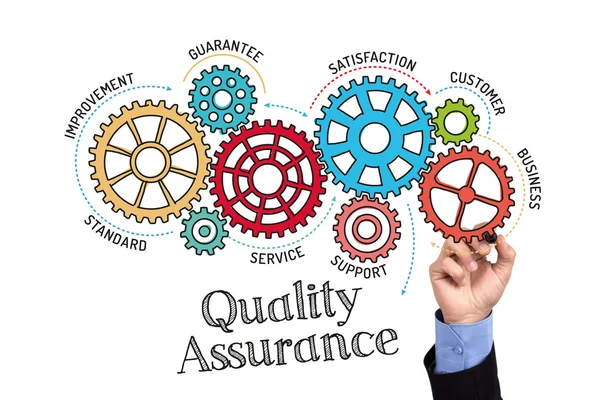
The purpose Quality Council of Trades and Occupations (QCTO)’s Quality Assurance (QA) policy is to The QPs speak of Qualifications and Assessments Quality Partners while Stakeholders are all QCTO accredited Skills Development Providers (SDPs) and Assessment Centres (ACs) including Workplace Providers for Work-based learning. The Way Forward … The QA policy Objective is to avoid…
-

Digital Transformation Simplified
Digital transformation in any business size or industry is not an nor a once off event. Rather a Digital Transformation helps a business to being flexible and adaptable inside-out. Hence digital transformation applies to a Skills Development Provider (SDP)’s entity and business. Being flexible and adaptable is what gives an SDP a competitive advantage. Digital…
-
Quality Assurance and Occupational Qualifications
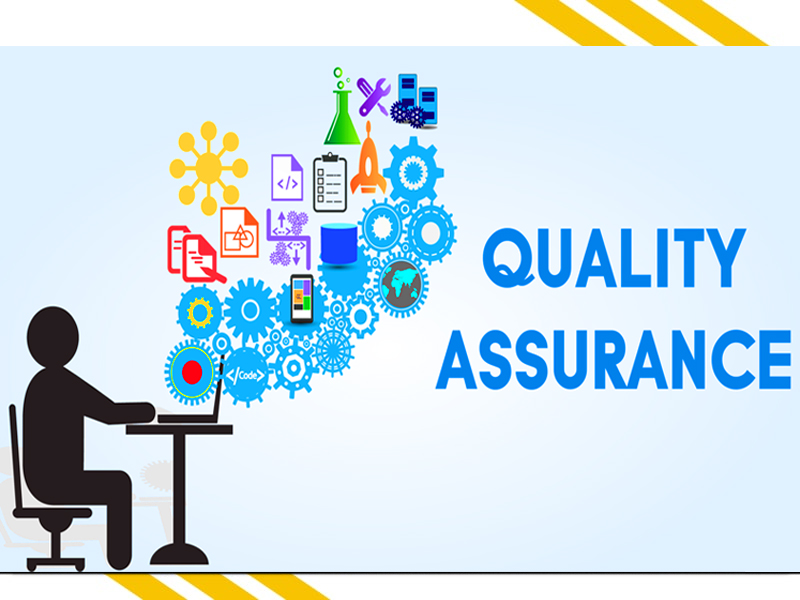
Quality Assurance (QA) is one of risk mitigation measures in delivery of occupational qualifications. Secondly, QA in occupational qualifications delivery is not only about the Results nor Checkbox ticking. Rather is about continuous improvement mindset worth employed throughout teaching and assessment processes. QCTO’s objective of QA is about “how mistakes and defects are prevented at…
-

Delivery and Occupational Qualifications
Delivery of Occupational qualifications is all about the posture of a Skills Development Provider (SDP) in implementing occupational qualifications. Contextually, an SDP observed as an Alternative Service Delivery Agencies in the implementation of the Occupational Qualifications Sub-Framework (OQSF). SDP Posture SDP an entity that display character leadership as follows: Delivery Strategy Thrust of delivery strategy…
-
Level Descriptors and Occupational Qualifications
In Brief The NQF Acts of 2008 defines “Level descriptors as a statement of learning achievement that provides a broad indication of learning outcomes appropriate to a qualification level.” Sub-Frameworks There is only one Set of Level Descriptors for every NQF levels. Meaning all three Sub-Frameworks making up the NQF develop their qualifications out of…
-

Outcomes-based Assessment Principles and Occupational Qualifications
Outcomes-based Principles Outcome-based assessment principles are and is one of the framework by which Occupational Qualifications and Skills Programmes The point is, what is the Relationship between Outcomes-based assessment principles and Occupational Qualifications? SETA Transition Season Again, the above-mentioned description of Outcomes-based assessment applies in the SETA Transition Season. In Conclusion Outcomes-based Assessment Principles…